
Clarity for complex minds.
Therapy and resources for neurodivergent children, adults, and the people trying to understand them.
Work with me
I'm a Clinical Psychologist working one-to-one with autistic, ADHD, and gifted kids, teens, and adults. I also work with parents and carers who want to understand how their child's mind actually works, so they can connect with more confidence.
As a Board-approved supervisor, I offer clinical supervision for practitioners wanting a depth-focused, neurodiversity-affirming approach.
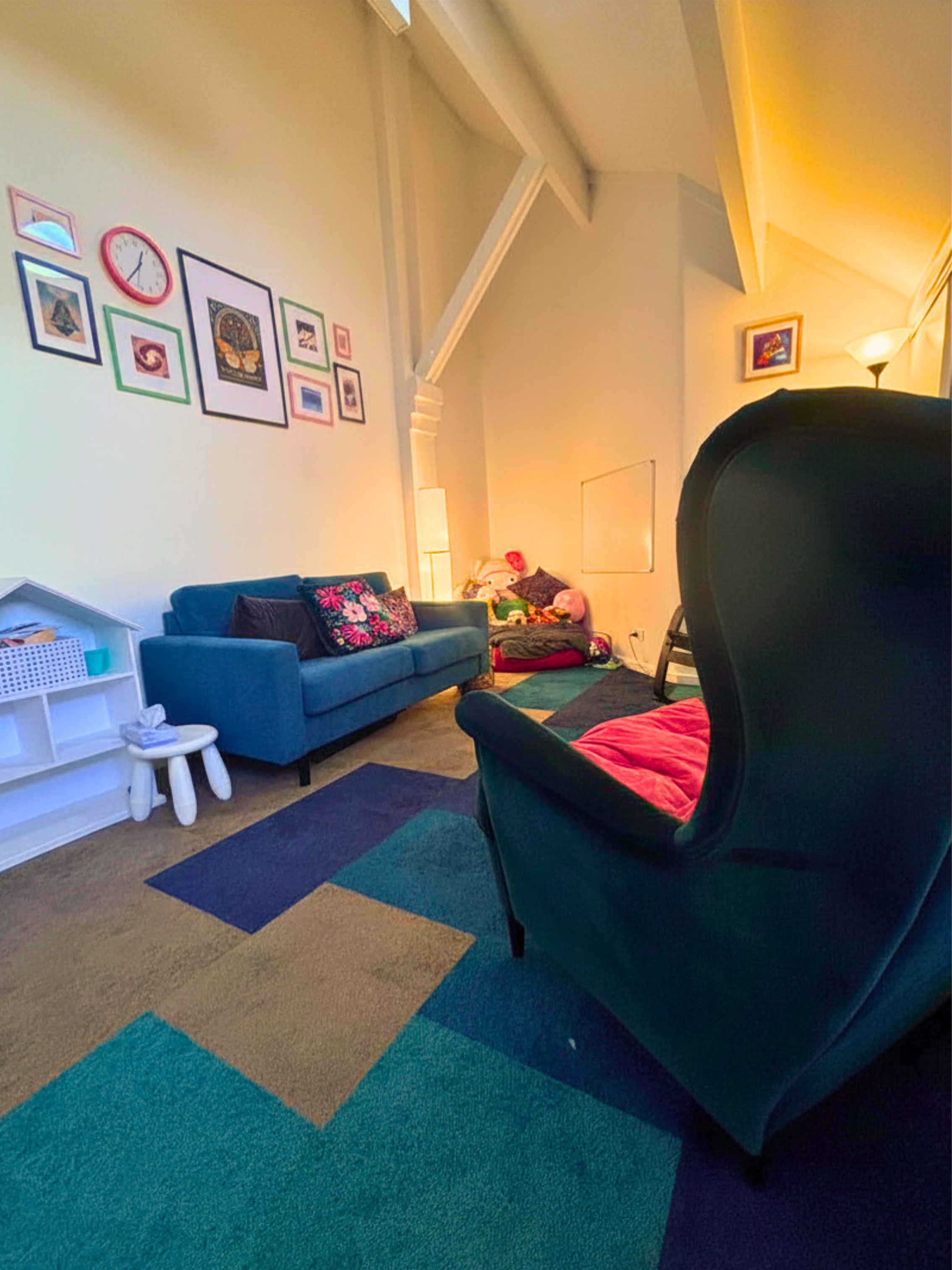
Sessions are available at The Elizabeth Clinic, Nedlands, and via telehealth.
Neurodiversity-affirming
〰️
Trauma-informed
〰️
Health at Every Size aligned
〰️
LGBTQIA+ inclusive
〰️
Embodied
〰️
Anticolonialist
〰️
Neurodiversity-affirming 〰️ Trauma-informed 〰️ Health at Every Size aligned 〰️ LGBTQIA+ inclusive 〰️ Embodied 〰️ Anticolonialist 〰️
Browse the shop
I'm building a collection of self-paced workbooks and professional development resources for neurodivergent people and the clinicians, educators, and families around them.
They carry the same depth as one-to-one work, built so you can move through them at your own pace or bring them into a therapeutic relationship. They show their working, give you real examples, and trust you to take it from there.
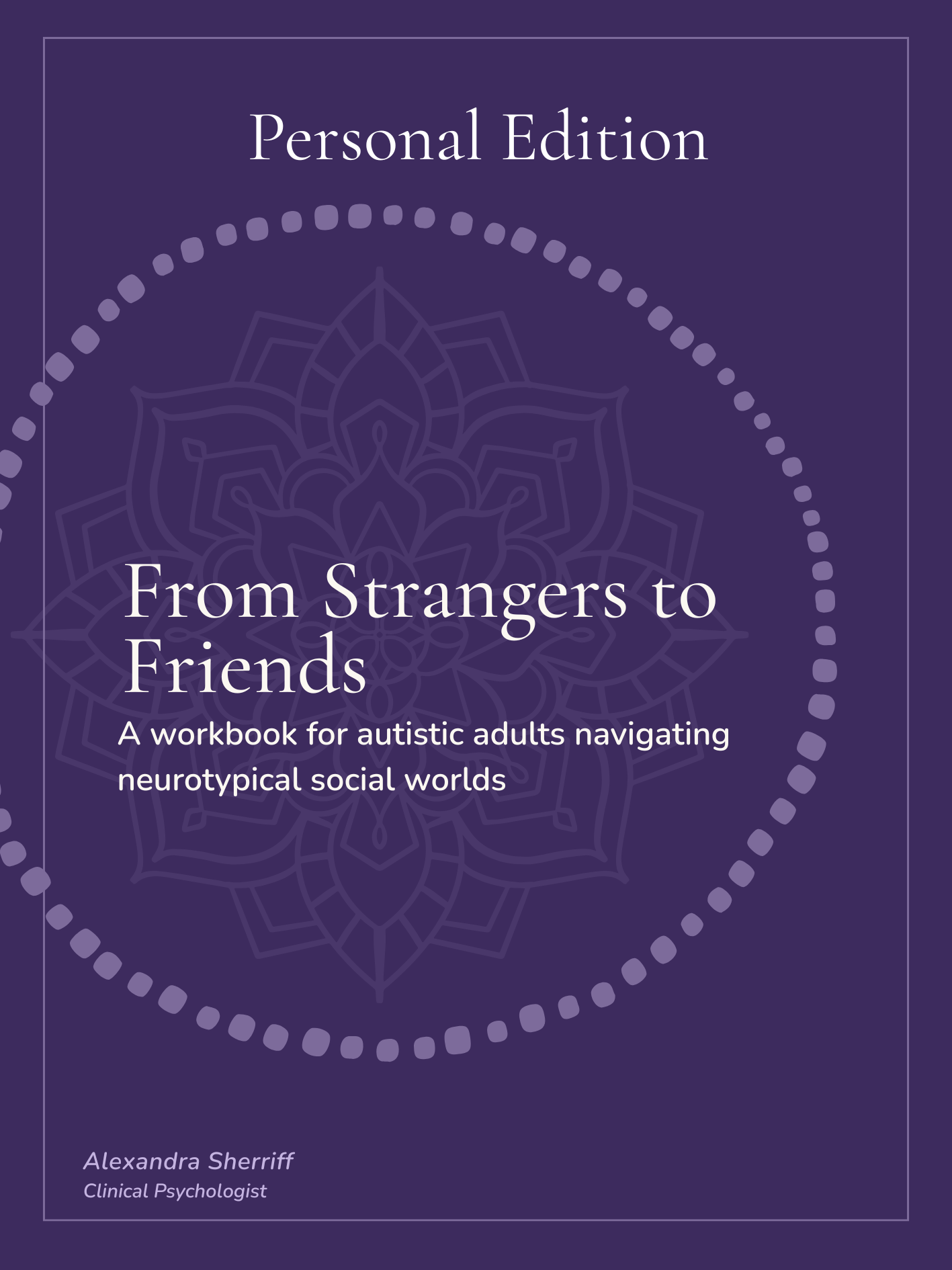
First in the collection: From Strangers to Friends, a social guide for autistic adults navigating neurotypical social worlds.
Download a free sample to preview the full introduction and Stage 1.

Resource Hub
I am collating a collection of books, research, and organisations I trust and return to. They have shaped my own practice, or are things I recommend to clients and families who are looking for language, community, or a deeper understanding of how neurodivergent minds work.
These aren’t my products. They're resources by organizations and people whose work I respect and want to make easier to find. Have a look through. You might find a creator, clinician, or organisation that fits where you're at right now.
From the shop
You go to the same class every week. You say hello to the same people. Months pass and nothing changes. You are not sure whether you are doing something wrong or just missing a step you were never told about.
You are probably missing a step you were never told about.
In neurotypical social settings, relationships develop in a specific sequence: recognition, brief exchange, ongoing contact, then sometimes friendship. Each stage has unwritten expectations about what should happen and what shouldn't. Most NT people absorbed these rules without anyone explaining them. For autistic people in the same environments, nobody ever spelled them out.
From Strangers to Friends spells them out.
Not sure yet? Download a free sample to preview the full introduction and Stage 1.
From Strangers to Friends walks through four stages of NT relationship development, names what the NT person is probably expecting at each point, and gives you the information to decide what you want to do with it. It is not a guide to masking. It is a guide to reading the situation accurately so you can make real choices about how you engage.
What's inside
Stage 1: Recognition. How to become a familiar face without forcing interaction.
Stage 2: Brief exchange. What small talk is actually doing, and how to use it (or not).
Stage 3: Ongoing chosen contact. When conversations start to carry forward, and how to manage that.
Stage 4: Friendship and outside contact. Recognising indirect invitations, responding to them, and managing the transition from in-setting contact to something independent of it.
Each stage includes concrete actions, clear stopping points, worked examples, and progress trackers. The workbook also covers digital communication, what to do when things feel uncertain, and how to tell when a relationship is not going to progress. A full research appendix grounds the workbook in the evidence: double empathy, autistic burnout, mere exposure, politeness theory, and staged disclosure research all shaped the structure and pacing.
Who this is for
Autistic adults who want to build friendships with neurotypical people and would like the unwritten rules made explicit. It is also useful for anyone who prefers social guidance that is concrete, staged, and clear about what to do and when to stop.
Clinicians and support workers: a clinician licence is available separately.
Details
129-page digital PDF. Delivered instantly after purchase. Designed for self-paced use.
Written by Alexandra Sherriff, Clinical Psychologist (Perth, Australia). Neurodiversity-affirming.